Preserve Their Voice
While You Still Can.
A simple guide to capturing the stories that matter most.
Liam Conwell — Founder, LifeTracks
lifetracksrecording.co.uk
The Number Nobody Thinks About
I came across something online a while back. One of those things that stops you mid-scroll and just sits with you for the rest of the day.
Someone had done the maths on how many times the average person actually sees their parents in a year. For a lot of people, especially those who don't live around the corner, it's maybe three or four times a year. Christmas, a birthday, the odd weekend when the diaries finally align.
It's worth seeing this for yourself rather than just reading about it.
Just let that land for a second.
And then think about what actually happens on most of those visits. Cups of tea, the same few topics that always come up. Lovely, but rarely the conversation where you actually learn something new about this person you love.
That thought has never really left me. And it's a big part of why I started LifeTracks.
“When you think about visits instead of years, everything changes.”
Nobody Ever Told Us This Was Possible
Here's something I've noticed. When I tell people what I do, there's almost always the same reaction. A pause. And then something like “oh, that's a lovely idea” or “I've never thought of doing that.”
It's not that people don't care. It's just that nobody ever told them it was possible.
We photograph everything. But the idea of sitting down and actually recording someone's voice, capturing their stories, preserving the particular way they say your name — that somehow never made it onto the list.
But it is an option, one that just requires a conversation.
“We photograph everything. But nobody told us we could keep their voice.”
What You're Actually Preserving
Picture someone you love. Not their face, but how they are. The phrases they always use. The way they laugh, or the little habits you stopped noticing years ago.
Now think about whether any of that exists in a photograph.

A photograph shows a face. It doesn't show a personality.
A bride emailed me recently after listening back to her Wedding Tracks recording. 'I never realised how much Grant sniffed before.' Hearing him properly, without the noise of everyday life around her, she noticed something that normally passes her by.
That's what a voice recording does that nothing else can. It doesn't just document someone, it preserves them. The sniffs, the pauses, the laugh that starts before the joke has even finished.
Those are the things we take for granted when someone is here. And those are exactly the things we miss most desperately when they're gone.
“A photograph will show your grandchildren what someone looked like. A recording will make them feel like they actually knew them.”
But What If They Won't Open Up?
This is probably the thing I hear most often. Some version of “I'd love to, but I'm not sure they'd go for it.” Or “my dad's not really much of a talker.”
I understand that hesitation.
But here's what I've learned from experience. Almost everybody, when they're asked the right question in the right way, has something remarkable to say. The problem is usually not that they don't have anything worth saying. The problem is that nobody has ever properly asked.
- What were your first impressions of each other?
- What did your childhood sound like?
- What's the hardest thing you've been through, and how did you come out the other side?
Most people have never been asked those things. Not properly. And when they finally are, something opens up.
Someone who said they didn't have much to say, and then forty minutes later they're mid-story, completely in their element, laughing at something they haven't thought about in thirty years.
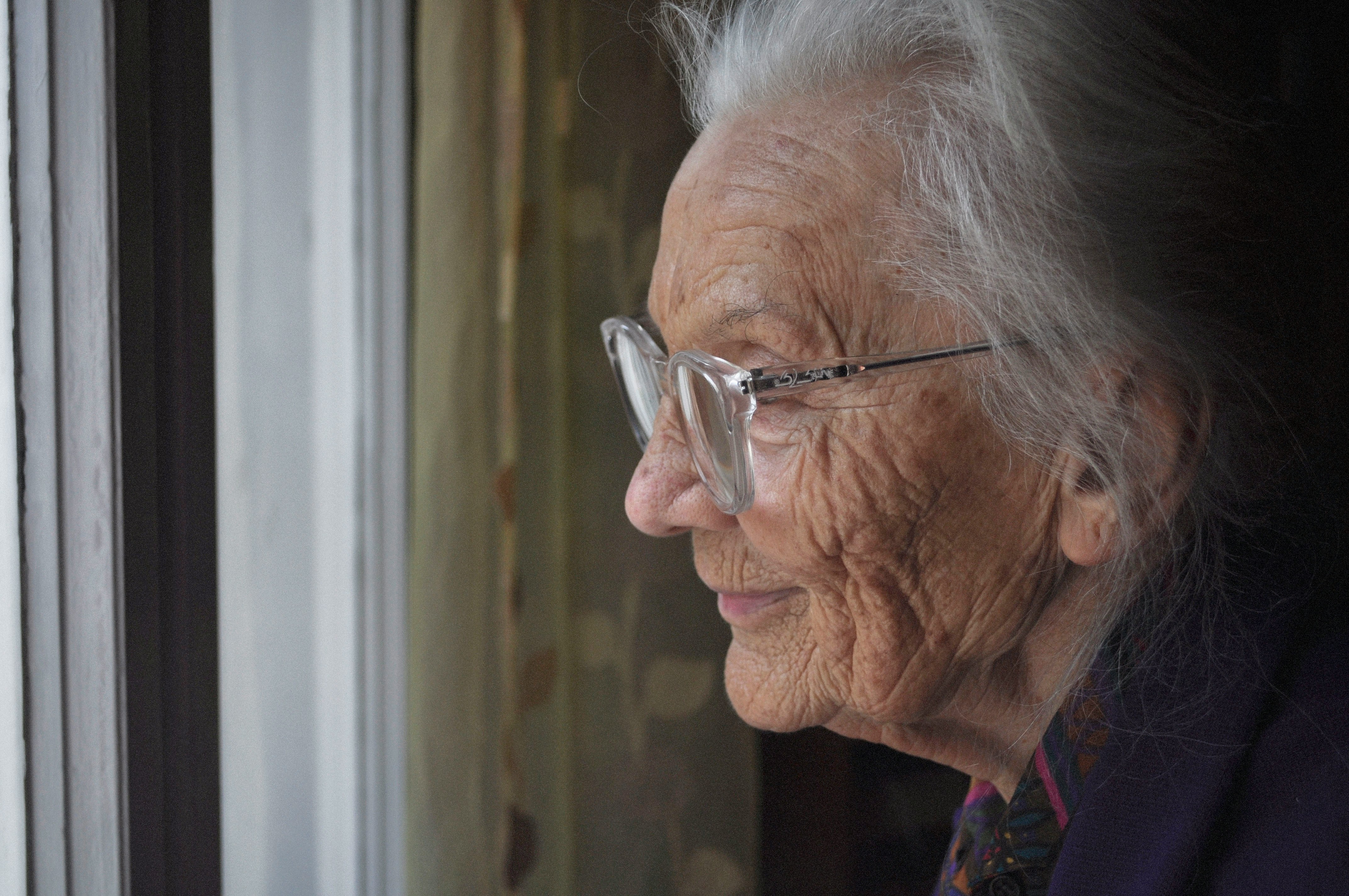
“Everybody has something to talk about. You just have to find the door in.”
How to Start the Conversation
So you've decided you want to do this. The question is how to bring it up without it feeling weird or heavy.
Keep it simple. Don't sit them down for a formal chat about legacy and memories — just mention it casually, like it's the most natural thing in the world.
If they seem hesitant, don't push. Plant the seed and give it time. Most people come around once they realise this isn't about performing — it's just about talking.
And be honest about why. When they understand it comes from love, that you don't want to lose the parts of them only a recording can keep, the hesitation usually melts away.
“for us mum, this will be a memory of what your voice sounded like”
What Happens in the Room
So they've said yes.
Don't make it feel like a formal sit-down. The moment it starts to feel like an occasion, people get self-conscious and start performing instead of talking — and you can hear it immediately.
You want them so comfortable they forget the recording is even happening. The version of them that comes out in their favourite chair, with someone they trust.
Let them go off on tangents — that's usually where the real stories hide. And don't rush to fill silence. It usually means something real is coming.
“Silence can be more powerful than words”
What This Becomes
It's a few years from now. You're sitting somewhere quiet, and you press play on a recording. And suddenly the room is filled with a voice you love.
Listen to Ann Nott
Want to hear the whole recording? Leave your email below and I'll send it over.
I've watched people hear their finished recordings for the first time and I never get tired of it. There's always a moment where something crosses their face. Something closer to relief. Like they've been quietly worried about losing something and they've just realised they haven't lost it after all.
One day, someone will press play on this who wasn't even born yet.
That's the thing about a recording like this. It doesn't just belong to you.
“And you think, I'm so glad I did this.”
What Happens Next
If you've read this far,
You have someone in your life whose story matters to you. Maybe it's a parent or a grandparent. Maybe it's your own story that you want to leave behind for the people who come after you.
Now, you might feel ready to go away and start this yourself. And if you do, brilliant. Any recording made with love and care is worth having, however it's done.
But if you're sitting there thinking you'd rather have someone help you do this properly, someone who can guide the whole thing from the very first conversation to the finished recording, that's exactly what LifeTracks is here for.
The first step is just a conversation. No pressure, no commitment, just a chat to see if it feels right.
And it's never too late. Until one day, it is.
So if there's someone in your life whose voice deserves to be kept, I'd love to hear from you.
Soul Tracks — your story told through songs, from £395
Explore Soul Tracks →Legacy Tracks — your full life story, guided and recorded, from £895 remote, £1,495 in person
Explore Legacy Tracks →SPEAK TO LIAM
Liam — Founder, LifeTracks · lifetracksrecording.co.uk
